
Every no-show is a slot you can't sell twice. Here's how to cut no-shows with a reminder cadence that works, smart confirmation scripting, waitlists, and fair policies, without nagging the patients you want to keep.
A no-show is uniquely painful because you cannot get the time back. Unlike a denied claim you can appeal or a balance you can chase, an empty appointment slot is revenue that is simply gone, along with the chance to have seen another patient who needed it. Multiply that across a year and no-shows quietly become one of the largest, most ignored revenue leaks in a practice.
The instinct is to fix it with more reminders, but nagging patients backfires and trains them to tune you out. The goal is to reduce no-shows while strengthening the patient relationship, not straining it. Here is how to do exactly that: the reminder cadence that works, the confirmation scripting that gets a real response, waitlists, fair policies, and the revenue math that justifies the effort.
First, do the math on what no-shows really cost
Before fixing the problem, size it, because the number is usually bigger than owners expect. Take your average revenue per visit and multiply it by the number of no-shows and last-minute cancellations you have in a typical week, then annualize it. For most practices the result is tens of thousands of dollars a year in slots that were booked, blocked off, and then earned nothing.
That math matters because it reframes no-show reduction from a front-desk annoyance into a genuine revenue initiative worth real attention. A few percentage points of improvement in your no-show rate often pays for itself many times over.
The reminder cadence that actually works
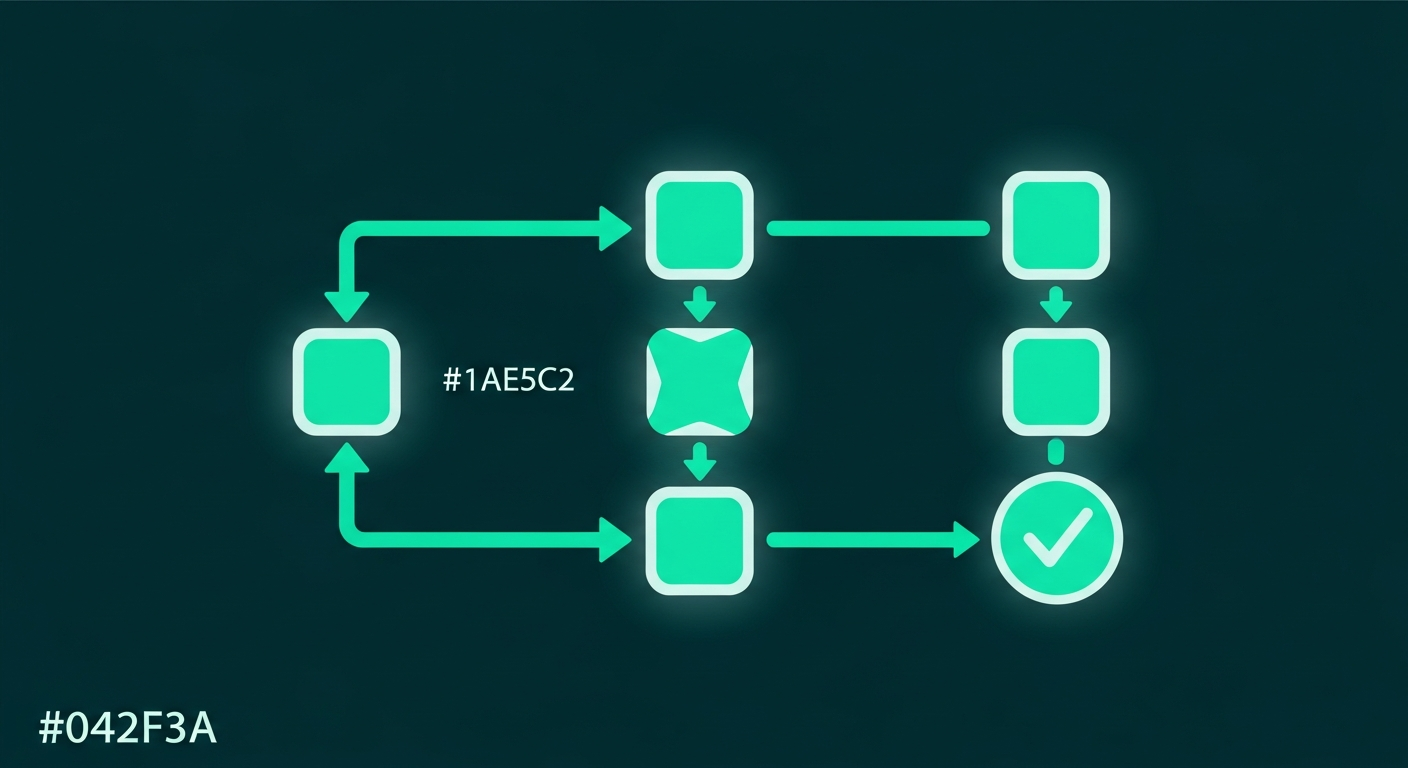
More reminders is not better. The right cadence gives patients enough notice to reschedule if needed without burying them in messages they learn to ignore. A cadence that works for most practices:
- 1.At booking: a clear confirmation with the date, time, location, and provider, plus how to reschedule if plans change. This sets expectations from the start.
- 2.A few days before: a reminder with enough lead time that, if the patient needs to move the appointment, you can fill the slot from your waitlist.
- 3.The day before or morning of: a short confirmation that asks the patient to actively confirm, reply, or cancel.
Three well-timed touches beat a constant drip. The key is that each one has a purpose: confirm, give reschedule lead time, and prompt a final confirmation. Anything beyond that starts to feel like nagging.
Meet patients on the channel they actually use
A reminder only works if it gets seen, and for most patients today that means text. Phone-call reminders go to voicemail, and email gets buried, while text messages are read quickly and reliably. Offer the patient's preferred channel, lead with text for most, and keep messages short and easy to act on. Running this consistently across every channel takes real staff time, which is one reason practices lean on a staffed virtual front desk to keep the rhythm going.
Confirmation scripting that gets a real response
A reminder that just states the appointment is a notification. A reminder that asks for confirmation is a conversation, and confirmed appointments are far less likely to no-show because the patient has actively committed. The scripting matters:
- •Ask for an action, not just acknowledgment: confirm, reschedule, or cancel.
- •Make rescheduling easy in the same message, because a patient who can move the appointment in one step will, instead of simply not showing.
- •Keep the tone warm and helpful, never scolding. The message should feel like a courtesy, not a warning.
- •Personalize the essentials: name, provider, date, and time, so it reads as real and relevant, not automated spam.
When a patient replies that they need to reschedule, that is a win, not a loss. You have turned a likely no-show into an open slot you can fill, with enough notice to actually fill it.
Use a waitlist to recover the slots that open up
Even with great reminders, some cancellations are unavoidable. A waitlist turns those openings back into revenue. Keep a running list of patients who want to be seen sooner, and when a slot frees up, offer it to them. This does two good things at once: it recovers the revenue from the canceled slot and it gets eager patients seen faster, which improves satisfaction.
The waitlist only works if someone is actively managing it, reaching out the moment a slot opens. That is real front-desk work, and it is exactly the kind of task that gets dropped when the team is buried, which is one reason a dependable virtual front desk can meaningfully lift the share of slots you recover.
Fair policies, set with a light touch
Policies have a place, but heavy-handed ones damage the patient relationship you are trying to protect. The goal is to discourage casual no-shows without punishing good patients for occasional life events.
- •State the cancellation policy clearly and kindly at booking, so there are no surprises.
- •Consider deposits or a card on file for high-value or frequently missed appointment types, framed as standard practice rather than a threat.
- •Apply any no-show fee consistently, but allow reasonable grace for first-time or genuine emergencies.
- •Track repeat offenders and address the pattern directly, rather than imposing strict rules on everyone.
Done with a light touch, a clear policy nudges behavior while signaling that you respect both your time and the patient's. Done harshly, it drives good patients away, which costs far more than the no-shows it prevents.
Address the patterns behind chronic no-shows
Some no-shows are not about forgetting at all. Long waits for an appointment, transportation barriers, work conflicts, or anxiety about cost or the visit itself all drive no-shows. When you see a chronic pattern, it is worth understanding the cause rather than just adding reminders.
Shorter waits to be seen, flexible scheduling options, clear cost expectations up front, and a friendly, reachable front desk all reduce the underlying reasons patients miss appointments. Often the most effective no-show reduction is simply making the practice easier to deal with.
The bottom line
No-shows are not just a scheduling nuisance, they are a measurable revenue leak, and they respond to a thoughtful system rather than more nagging. Size the cost, run a three-touch reminder cadence on the channel patients actually use, script your confirmations to ask for a real response, work a waitlist to recover openings, and set fair policies with a light touch. Do that and you will cut no-shows while making patients feel better cared for, not pestered.
If you want a front desk that runs this rhythm reliably, confirming appointments, working the waitlist, and keeping your schedule full, that is exactly what Carevonix delivers.